
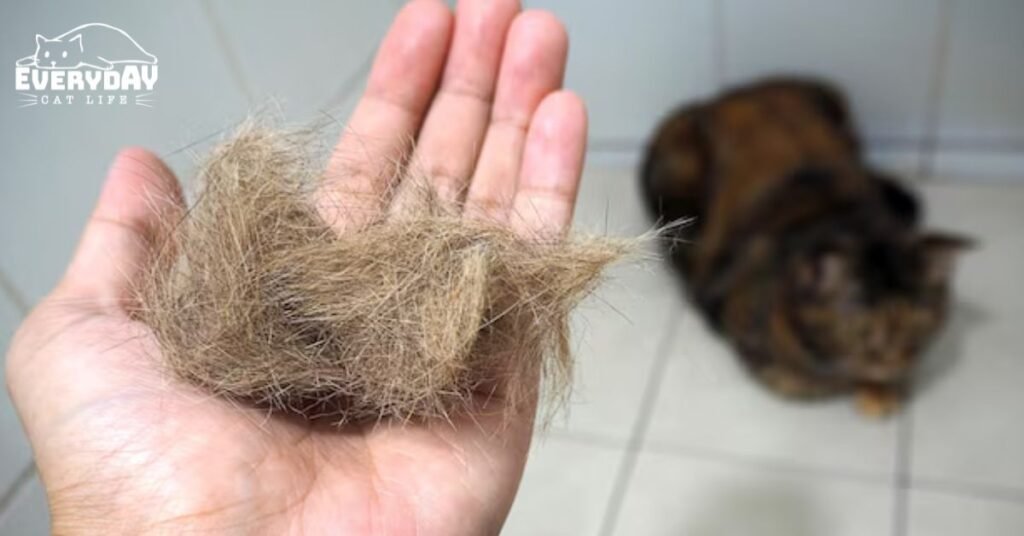
When you notice your cat losing fur, it’s natural to feel concerned. Hair loss in cats, medically known as alopecia, can range from minor shedding issues to symptoms of serious health conditions. This comprehensive guide explores everything you need to know about cat fur loss, including causes, symptoms, treatments, and prevention strategies to help your feline friend maintain a healthy, lustrous coat.
Understanding Normal Shedding vs. Abnormal Fur Loss
Before diving into medical causes, it’s important to distinguish between normal shedding and problematic fur loss. All cats shed naturally as part of their hair growth cycle. Indoor cats may shed year-round due to controlled temperatures and artificial lighting, while outdoor cats typically shed more heavily during spring and fall seasonal changes.
Normal shedding produces a relatively even coat throughout your cat’s body. You might notice more hair on furniture or brushes, but your cat’s skin should remain covered with fur. Abnormal fur loss, however, creates visible bald patches, thinning areas, or breaks in the hair shaft. The skin underneath may appear irritated, red, scaly, or inflamed. If you’re seeing these signs, your cat’s losing fur is likely more than just seasonal shedding.
Common Causes of Cat Losing Fur
Parasitic Infestations
Fleas and Flea Allergy Dermatitis
Parasites are among the most frequent culprits when cats lose fur. Fleas are the primary concern, as these tiny blood-sucking insects cause intense itching and allergic reactions. Even a single flea bite can trigger flea allergy dermatitis in sensitive cats, leading to excessive scratching, biting, and fur pulling. The resulting hair loss typically appears along the back, base of the tail, and hind legs.
Ear Mites and Mange
Ear mites represent another parasitic problem, particularly affecting the ears and surrounding areas. These microscopic parasites burrow into ear canals, causing severe irritation and dark, coffee-ground-like discharge. Cats with ear mites shake their heads frequently and scratch their ears vigorously, often creating bald patches around the ear area.
Mange mites, including Demodex and Sarcoptes species, can also cause fur loss. Demodectic mange typically affects kittens or immunocompromised cats, creating patchy hair loss around the face, head, and neck. Sarcoptic mange, though less common in cats, causes intense itching and crusting, leading to significant fur loss across multiple body areas.
Fungal Infections
Ringworm, despite its misleading name, is actually a fungal infection rather than a parasitic worm. This highly contagious condition commonly affects cats, particularly kittens, senior cats, and those with weakened immune systems. Ringworm creates circular or irregular bald patches with red, scaly borders. The hair shafts become brittle and break easily, leaving stubby hair remnants.
Cats with ringworm may or may not show signs of itching. The infection spreads easily to other pets and humans through direct contact or contaminated surfaces like bedding, grooming tools, and furniture. If you suspect ringworm, prompt veterinary diagnosis and treatment are essential to prevent transmission throughout your household.
Allergic Reactions
Food Allergies in Cats
Allergies rank among the top medical reasons for a cat losing fur. Cats can develop allergies to various substances, and allergic reactions often manifest as skin problems and hair loss.
Food allergies occur when a cat’s immune system reacts negatively to specific proteins in their diet, commonly beef, chicken, fish, or dairy products. These allergies typically cause itching around the face, ears, belly, and paws, leading to excessive grooming and fur loss in these areas. Some cats also experience gastrointestinal symptoms alongside skin problems.
Environmental and Contact Allergies
Environmental allergies, similar to hay fever in humans, develop in response to pollen, mold spores, dust mites, or other airborne allergens. Seasonal patterns often emerge with environmental allergies, though indoor allergens may cause year-round symptoms. Affected cats scratch, lick, and over-groom excessively, particularly on the belly, legs, and flanks.
Contact allergies result from direct skin exposure to irritating substances like certain fabrics, cleaning products, plastics, or plants. The fur loss pattern typically corresponds to the contact area, such as the chin (from plastic food bowls) or paws (from floor cleaners).
Psychogenic Alopecia (Stress-Induced Hair Loss)
Sometimes cats lose fur due to psychological stress rather than physical health problems. Psychogenic alopecia occurs when cats over-groom compulsively as a coping mechanism for anxiety, stress, or boredom. This behavioral condition causes symmetrical hair loss, usually on the belly, inner thighs, and forelegs, where cats can easily reach with their tongues.
Triggers for stress-induced grooming include environmental changes, new household members (pets or people), lack of stimulation, separation anxiety, or disrupted routines. Cats may groom excessively when owners are away or during nighttime hours. Unlike medical causes, the underlying skin typically appears normal without inflammation, though prolonged licking can eventually irritate.
Hormonal Imbalances
Thyroid Disorders
Endocrine disorders can disrupt normal hair growth cycles, resulting in fur loss. Hyperthyroidism, common in older cats, causes excessive thyroid hormone production that affects metabolism and coat quality. Cats with hyperthyroidism may experience patchy fur loss, poor coat condition, weight loss despite increased appetite, and hyperactivity.
Hypothyroidism, while rare in cats, produces the opposite effect with insufficient thyroid hormone. This condition causes lethargy, weight gain, and dull, thinning fur.
Other Endocrine Conditions
Diabetes mellitus can also affect coat health, as high blood sugar levels impact skin condition and immune function, making cats more susceptible to infections that damage fur.
Cushing’s disease (hyperadrenocorticism) is extremely rare in cats but causes thin, fragile skin and poor coat quality when present. These hormonal conditions require veterinary diagnosis through blood tests and specific medical management.
Skin Infections
Bacterial and yeast infections frequently develop secondary to other conditions like allergies, parasites, or injuries. When the skin’s protective barrier becomes compromised, opportunistic microorganisms multiply, causing inflammation, discharge, odor, and fur loss. Staphylococcal bacteria commonly infect damaged cat skin, creating pustules, crusts, and spreading bald patches.
Yeast infections, particularly Malassezia species, thrive in warm, moist areas like skin folds, ear canals, and between toes. Affected areas become greasy, smelly, and intensely itchy, prompting excessive grooming that removes fur. Cats with underlying allergies or immune problems are more susceptible to recurrent skin infections.
Nutritional Deficiencies
Proper nutrition is fundamental to maintaining healthy skin and fur. Cats require specific nutrients for optimal coat health, including high-quality proteins, essential fatty acids (especially omega-3 and omega-6), vitamins (A, E, and B-complex), and minerals like zinc and copper.
Poor-quality diets lacking adequate protein or essential nutrients can result in dull, brittle fur that breaks easily or falls out. Essential fatty acid deficiencies particularly impact coat quality, causing dry, flaky skin and patchy fur loss. While commercial cat foods generally provide complete nutrition, cats with malabsorption disorders, liver disease, or digestive problems may develop nutritional deficiencies despite an adequate diet.
Pain-Related Fur Loss
Cats may focus excessive attention on painful body areas, licking or grooming specific locations repeatedly until fur loss occurs. Arthritis commonly causes cats to lick painful joints, creating bald patches on legs or hips. Urinary tract problems might prompt excessive genital grooming. Dental disease can lead to facial grooming changes affecting fur around the mouth and cheeks.
This focused fur loss differs from generalized anxiety grooming because it concentrates on specific painful regions. Observing your cat’s behavior patterns helps identify whether pain might be contributing to localized hair loss.
Cat Losing Fur on Specific Body Areas
Cat Losing Fur on Back
Flea-Related Back Fur Loss
The back is one of the most common areas for feline fur loss, often indicating flea problems or allergic reactions. Fleas prefer the back, particularly near the tail base, because these warm areas provide ideal feeding spots that cats struggle to reach effectively. Even a few fleas can cause dramatic hair loss in allergic cats.
Allergies and Contact Reactions
Contact allergies to topical flea treatments sometimes create ironic situations where the prevention method itself causes back fur loss. Allergies to pollen, grass, or environmental irritants also frequently manifest as back itching and hair loss since the back contact with outdoor surfaces during normal activities.
Stress-related grooming occasionally targets the back, though this location is less common than bellies or legs for psychogenic alopecia. Skin infections secondary to scratching or biting can develop anywhere on the back, extending the initial hair loss area.
If your cat is losing fur on their back, examine the area carefully for flea dirt (tiny black specks that turn reddish-brown when wet), live fleas, red bumps, scabs, or skin inflammation. Implementing year-round flea prevention and consulting your veterinarian for persistent problems ensures proper treatment.
Cat Losing Fur on Ears
Ear fur loss requires special attention because the thin, sensitive ear skin makes this area particularly vulnerable to various conditions. Ear mites are the leading cause of fur loss around cat ears, creating intense itching that drives cats to scratch vigorously with their back claws. This scratching damages both the ear tissue and surrounding fur, sometimes causing wounds or hematomas (blood-filled swellings).
Ringworm commonly affects the ears, face, and head in cats, producing circular bald patches with scaly borders. Solar dermatitis (sunburn) can affect light-colored ears in cats with white or pale ear leather, causing redness, scaling, and eventual fur loss. Chronic sun damage increases skin cancer risk in affected ears.
Allergies manifest around the ears through inflammation, itching, and subsequent scratching that removes fur. Food allergies particularly often affect the head and ears, alongside other body areas. Ear polyps or tumors, though less common, can cause localized irritation and fur loss around affected ears.
Proper diagnosis requires veterinary examination, often including ear swabs to check for mites or infections, skin scrapings for ringworm, and potentially a biopsy for unusual lesions. Treatment depends on the underlying cause but may involve medicated ear drops, systemic medications, or topical treatments.
Cat Losing Fur on Belly
Belly fur loss is particularly common and usually stems from excessive licking behavior. The belly’s accessibility makes it a primary target for both medical and behavioral over-grooming. Allergies are the leading medical cause of belly hair loss, with food allergies and environmental allergens both producing intense itching that prompts constant licking.
Fleas and other parasites cause belly irritation since this area contacts infested surfaces when cats lie down. Even if fleas concentrate on the back, allergic reactions can trigger full-body itching, including the belly. Bladder inflammation, urinary tract infections, and other lower urinary tract problems sometimes cause referred discomfort that cats interpret as belly itching, leading to excessive grooming.
Psychogenic alopecia most commonly affects the belly, creating symmetrical, well-defined hair loss with normal-appearing skin underneath. Stressed cats methodically lick their bellies, sometimes to the point of creating raw spots if the behavior continues unchecked. Distinguishing behavioral from medical belly fur loss requires careful veterinary evaluation.
Hormonal imbalances occasionally produce belly hair loss as part of systemic coat quality decline. Pregnancy and nursing can temporarily affect belly fur due to hormonal changes and the physical stress of kitten care. Most pregnancy-related belly fur loss resolves naturally after weaning.
Cat Losing Fur on Legs
Leg fur loss combines various potential causes depending on the specific location and pattern. Allergic reactions commonly affect all four legs, particularly the paws and lower portions that contact floor surfaces and outdoor ground. Environmental allergens like pollen, grass, and chemicals accumulate on paws and legs during daily activities, triggering reactions in sensitive cats.
Arthritis pain frequently causes cats to lick affected joints, creating bald spots on legs, especially the front legs in older cats. This focused grooming provides temporary relief but damages fur and skin over time. Injuries or wounds on legs naturally draw grooming attention, potentially extending initial small problems into larger, hairless areas.
Ringworm can affect legs, creating patchy circular lesions anywhere on the limbs. Bacterial infections sometimes develop in small cuts or scratches on the legs, then spread to the surrounding areas with associated fur loss. Some autoimmune conditions target the footpads and lower legs, causing crusting, ulceration, and hair loss, though these are relatively rare.
Symmetrical leg fur loss suggests hormonal problems or stress-related grooming, while asymmetrical patterns point toward localized issues like pain, injury, or infection in specific leg areas. Your veterinarian can help determine the underlying cause through physical examination and diagnostic tests.
Cat Losing Fur on Tail
The tail presents unique fur loss challenges due to its specialized structure and vulnerability to various conditions. Flea allergy dermatitis classically affects the tail base, creating what veterinarians call “flea bite hypersensitivity.” This condition produces intense itching at the tail base, leading cats to bite, scratch, and over-groom until significant hair loss occurs.
Stud tail, medically known as tail gland hyperplasia, affects the sebaceous glands near the tail base. This condition most commonly impacts unneutered male cats, but it can occur in any cat. Excess oil production creates greasy, matted fur that falls out, sometimes with bacterial infection developing in the area. The tail may appear oily, dirty, or crusty with associated hair loss and odor.
Stress-related over-grooming frequently targets the tail alongside the belly, producing smooth, bald patches without skin inflammation. Tail injuries, from being caught in doors or stepped on, may cause localized fur loss at injury sites. Fractures or nerve damage can affect normal tail function and grooming behavior, potentially impacting fur quality.
Allergies affect tail fur just as they impact other body areas, though isolated tail allergies are uncommon. Ringworm creates patchy circular lesions that can appear anywhere on the tail. Autoimmune skin diseases occasionally target the tail, though these conditions are rare and typically affect multiple body areas.
Diagnosing the Cause of Cat Losing Fur
Determining why your cat is losing fur requires systematic evaluation by a veterinarian. The diagnostic process typically begins with a thorough physical examination, including careful assessment of the skin, fur quality, and distribution of hair loss. Your vet will ask detailed questions about your cat’s environment, diet, behavior changes, and timeline of fur loss development.
Diagnostic tests vary based on suspected causes but may include skin scrapings to check for mites and fungal infections, flea combing to detect fleas and flea dirt, fungal cultures for ringworm identification, and skin biopsies for unusual or unresponsive lesions. Blood tests help evaluate hormonal status, organ function, and overall health, particularly in older cats or those showing systemic symptoms beyond fur loss.
Allergy testing through elimination diets or intradermal skin testing may be recommended for cats with suspected allergic conditions. Food trials require feeding a novel protein diet exclusively for eight to twelve weeks to identify food allergies. Environmental allergy testing helps pinpoint specific allergens triggering reactions.
Urinalysis and urine culture may be necessary if lower urinary tract problems are suspected, particularly in cats with belly or genital fur loss. Occasionally, imaging studies like X-rays or ultrasound help evaluate internal problems that might contribute to fur loss, such as arthritis causing pain-related grooming or abdominal masses causing stress.
Treatment Options for Cat Losing Fur
Treatment approaches depend entirely on the underlying cause of fur loss. Parasitic infections require appropriate anti-parasitic medications, with flea treatments including topical spot-on products, oral medications, or environmental control measures. Ear mites respond to prescription ear drops or systemic anti-parasitic treatments. Mange requires specific medications and sometimes lime sulfur dips.
Ringworm treatment involves oral antifungal medications combined with topical therapy and thorough environmental decontamination. Treatment continues for several weeks beyond symptom resolution to ensure complete elimination. All cats in multi-cat households typically receive treatment since ringworm spreads easily between cats.
Allergic conditions benefit from multiple management strategies. Flea allergy dermatitis requires rigorous, year-round flea control for all household pets. Food allergies necessitate dietary changes to novel or hydrolyzed protein diets, with strict avoidance of problematic ingredients. Environmental allergies may respond to antihistamines, immunotherapy (allergy shots), or immune-modulating medications like cyclosporine or corticosteroids.
Bacterial and yeast infections require antimicrobial therapy with oral medications, topical treatments, or medicated shampoos depending on infection severity and location. Secondary infections often resolve once underlying causes like allergies or parasites are controlled.
Hormonal imbalances need specific medical management based on the disorder. Hyperthyroidism treatment includes oral medications, radioactive iodine therapy, or dietary management. Diabetes requires insulin therapy and dietary adjustments. These conditions require ongoing veterinary monitoring and management.
Psychogenic alopecia treatment addresses the underlying stressors through environmental enrichment, behavior modification, pheromone diffusers (like Feliway), and sometimes anti-anxiety medications. Identifying and minimizing stress triggers is essential for successful treatment. Increased playtime, vertical space, hiding spots, and interactive toys help reduce stress and redirect grooming behavior.
Pain-related fur loss requires treating the underlying painful condition. Arthritis management includes pain medications, joint supplements, weight management, and environmental modifications to improve comfort. Dental disease requires professional cleaning and treatment of affected teeth.
Prevention Strategies to Keep Your Cat’s Coat Healthy
Preventing fur loss involves maintaining overall health and minimizing risk factors. Year-round flea and parasite prevention protects against the most common causes of feline fur loss. Modern preventive products are safe, effective, and convenient, typically applied monthly or given orally.
Feeding high-quality, complete, and balanced cat food supports healthy skin and coat. Look for foods listing named meat proteins as primary ingredients and containing appropriate levels of omega fatty acids. Avoid unnecessary dietary changes that might trigger food sensitivities. Ensure fresh water availability at all times since hydration affects skin health.
Regular grooming sessions help you monitor your cat’s skin and coat condition while removing loose fur, distributing natural oils, and reducing hairball formation. Brushing frequency depends on coat length, with long-haired cats benefiting from daily sessions while short-haired cats need less frequent grooming. These sessions also provide bonding time and allow early detection of problems like fleas, skin changes, or new bald patches.
Creating a calm, enriched environment reduces stress-related grooming behaviors. Provide multiple resources (litter boxes, food stations, water bowls) in multi-cat households to minimize competition. Offer vertical space through cat trees, perches, and shelves. Supply interactive toys, puzzle feeders, and regular play sessions to prevent boredom. Maintain consistent routines and introduce changes gradually when possible.
Schedule regular veterinary wellness exams, at least annually for young adult cats and more frequently for kittens, senior cats, or those with chronic conditions. These visits allow early detection and treatment of health problems before they cause significant fur loss or other complications.
Minimize exposure to potential allergens and irritants when possible. Use fragrance-free, pet-safe cleaning products. Replace plastic food bowls with stainless steel or ceramic options to reduce chin acne risk. Protect light-colored cats from excessive sun exposure, particularly on ears and noses.
When to See a Veterinarian
While minor shedding variations are normal, certain signs indicate that your cat losing fur and requires professional evaluation. Schedule a veterinary appointment if you notice bald patches or significant thinning areas, skin that appears red, inflamed, crusty, scaly, or otherwise abnormal, excessive scratching, licking, or biting at the skin, sudden changes in grooming behavior (either increased or decreased), sores, wounds, or bleeding on the skin, or foul odor from the skin or fur.
Urgent veterinary care is necessary if fur loss accompanies signs of systemic illness, such as lethargy, loss of appetite, weight loss, vomiting, diarrhea, increased thirst or urination, or difficulty breathing. These symptoms suggest serious underlying conditions requiring immediate evaluation.
Even without alarming symptoms, persistent fur loss that doesn’t improve within a few weeks warrants veterinary consultation. Early intervention typically leads to better outcomes and prevents secondary complications, such as infections that can develop in damaged skin.
Living with a Cat Losing Fur
Managing a cat with chronic fur loss or recurrent coat problems requires patience and commitment. Follow your veterinarian’s treatment recommendations completely, administering medications as prescribed for the full duration, even if symptoms improve quickly. Many conditions require extended treatment to achieve lasting resolution.
Monitor your cat’s progress carefully, noting changes in fur loss patterns, skin condition, and behavior. Keep records of what works and what doesn’t, as this information helps guide treatment adjustments. Take progress photos periodically to document improvements or identify worsening conditions objectively.
Maintain open communication with your veterinary team, reporting concerns or questions promptly rather than waiting until scheduled appointments. Some conditions require treatment adjustments based on response monitoring. Don’t hesitate to seek second opinions for difficult cases that don’t improve with standard treatments.
Protect your cat from excessive scratching that can worsen fur loss and create wounds. Soft e-collars or recovery suits sometimes help during healing periods, though most cats tolerate these reluctantly. Keep your cat’s claws trimmed to minimize damage from scratching.
Be patient during regrowth periods, as fur typically takes several weeks to months to fully regenerate, depending on your cat’s natural hair growth cycle and the extent of loss. New fur may initially appear different in texture or color, but it usually normalizes over time.
Conclusion: Your Cat’s Path to a Healthy Coat
If you’ve noticed your cat losing fur, take a deep breath. Most causes are treatable with proper veterinary care. Whether the culprit is fleas, allergies, stress, or a health condition, early intervention makes all the difference. Don’t try to diagnose the problem yourself; schedule a veterinary appointment to identify the underlying cause accurately.
Here’s what to do now: document the fur loss with photos, check your flea prevention, review recent environmental changes, and trust your instincts. Remember, fur regrowth takes patience, typically two to six months, depending on the cause and treatment. Your cat is counting on you to be their advocate, and with the right care, that beautiful coat will return. The journey to recovery starts with the actions you take today.
Frequently Asked Questions
Can stress really cause my cat to lose fur?
Yes, stress and anxiety can trigger excessive grooming behaviors in cats, leading to bald patches typically on the belly, inner thighs, and forelegs. This condition, called psychogenic alopecia, creates symmetrical hair loss in areas that cats can easily reach with their tongue.
How long does it take for cat fur to grow back after treatment?
Cat fur typically regrows within two to six months after treating the underlying cause. Short-haired cats regrow their coat faster (2-3 months), while long-haired breeds may need 3-6 months for complete restoration.
Should I try to diagnose my cat’s fur loss myself or see a vet?
Always see a veterinarian for proper diagnosis. What appears to be allergies could be parasites, infections, or hormonal issues requiring specific treatment. Studies show that 76% of presumed behavioral fur loss cases actually have underlying medical causes.
Is cat fur loss always a sign of a serious health problem?
Not always do cats naturally shed more during summer and autumn molting seasons. However, if you notice bald spots, irritated skin, or constant scratching rather than even shedding, a veterinary evaluation is necessary.
What can I do at home to help my cat’s fur grow back faster?
Feed a protein-rich diet with omega fatty acids (from fish oil or salmon), brush regularly to stimulate blood flow, and create a stress-free environment. These measures support recovery but must accompany proper veterinary treatment, not replace it.