
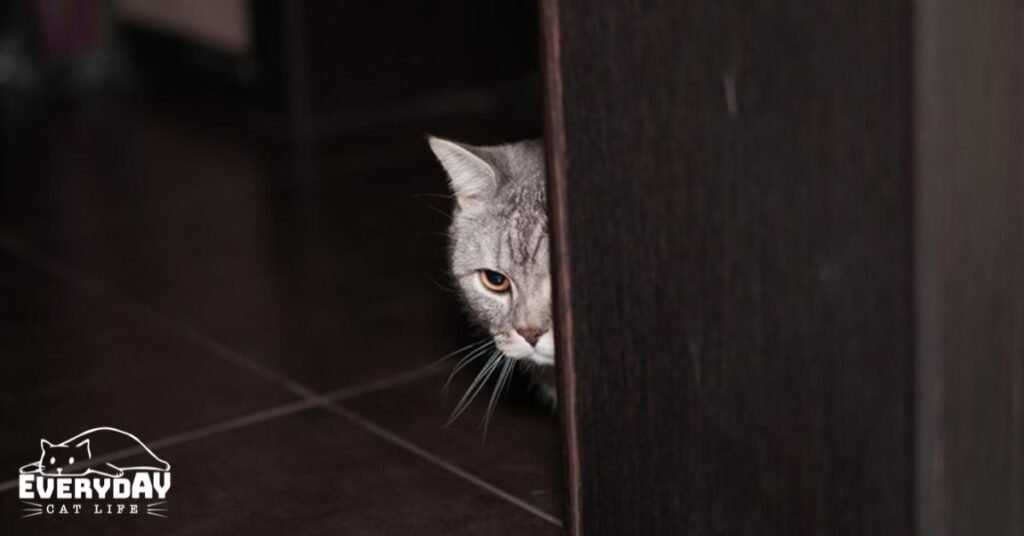
If you have a pet cat, you might have noticed your furry friend sometimes disappears and stays hidden for a while. This is very common because cat hiding is a natural behavior. Cats like quiet, safe places where they can relax and feel protected. But sometimes, their hiding can mean more than just wanting alone time; it could mean they are scared, stressed, or even sick.
In this article, you will learn why cats hide, the common places they choose to hide, and how you can help your cat if you see it hiding too much. We’ll also answer some common questions about cat hiding so you can better understand your pet.
Why Is Cat Hiding Normal?
Cats are both hunters and prey in the wild, so hiding helps them feel safe from danger. At home, your cat may hide because it wants peace, to rest undisturbed, or just to have a private spot. Hiding is a way for cats to calm down and avoid stress.
Sometimes, cats hide when visitors come or when there is a loud noise like fireworks or thunder. This is their way of protecting themselves from things they find scary or new. Even happy cats who just want to nap may choose cozy, hidden places.
Common Reasons for Cat Hiding
The reasons why a cat hides vary, but here are some common causes you might notice:
1. Stress or Anxiety
Cats get stressed just like people do. Moving to a new house, a new pet, loud noises, or lots of visitors can make your cat anxious. When a cat feels stressed, it may hide under the bed, inside closets, or even in the laundry basket to find a quiet place.
2. Feeling Sick or Hurt
If a cat is sick or has an injury, it may hide to rest and recover. A cat in pain might find hiding places under furniture or behind curtains. If your cat is hiding and not eating or drinking, this could be a sign of illness, and you should visit the vet.
3. New Cats or Changes in the Home
If you bring a new cat home, your current cat might hide at first because it feels unsure or threatened. Cats need time to adjust and get used to new animals or people.
4. Recent Vet Visits
After a visit to the vet, some cats hide as they feel nervous or uncomfortable. It is normal for your cat to want some alone time after medical checkups or treatments.
Where Do Cats Usually Hide?
Cats are clever about finding the best hiding spots. Some of the most popular places where cats hide include:
- Under the bed: This is one of the favorite spots for many cats because it’s dark and quiet.
- Inside closets or drawers: Cats feel secure in small, enclosed spaces.
- Under blankets or pillows: These soft spots give warmth and privacy.
- Behind furniture or curtains: These places protect cats from view while still letting them watch what’s going on.
- Near the litter box: Sometimes cats hide close to their litter area when they are nervous or not feeling well.
How to Help Your Cat When It Is Hiding
If your cat hides only for a short time to rest or feel safe, it’s usually nothing to worry about. However, if your cat hides all the time or hides and refuses to eat, you should try these simple steps to help:
Be Patient and Give Space
Don’t force your cat to come out. Instead, let them stay hidden until they are ready. Trying to grab or pull your cat out can increase their stress.
Create a Safe and Calm Environment
Find a quiet room and set up a cozy place for your cat with their bed, food, water, and litter box. This helps your cat feel secure without needing to hide far away.
Use Gentle Encouragement
Call your cat softly and offer treats or favorite toys near their hiding spot. This can help them feel more comfortable coming out.
Limit Loud Noises and Visitors
Decrease the amount of noise and activity in your home, especially around your cat’s favorite hiding spots. This can reduce anxiety.
Visit the Vet
If your cat is hiding a lot and shows other signs like not eating, vomiting, or changes in behavior, take them to the vet as soon as possible.
Final Thoughts
Cat hiding is a natural part of how many cats communicate their needs and feelings. While it can be perfectly normal, too much hiding may signal problems like stress or health issues. By understanding the reasons behind your cat’s hiding, providing a calm environment, and watching for changes, you can keep your cat happy and healthy.
Remember, your cat hides for safety and comfort, and your patience and care make all the difference. If you suspect your cat’s hiding is due to illness, always seek advice from a professional veterinarian.
Frequently Asked Questions
How to get a cat out of hiding?
Gently offer treats and speak softly while giving your cat time and space. Don’t rush them.
Why is my cat suddenly hiding?
Sudden hiding usually means your cat is stressed, scared, or feeling unwell.
When should I be concerned about a cat hiding?
Be concerned if your cat hides a lot for days, stops eating or drinking, or shows signs of illness.
Do cats hide when they are in pain?
Yes, cats often hide when hurting or sick to recover quietly and feel safe.
How long will cats hide when scared?
It depends; they may hide for a few hours or several days until they feel safe again.